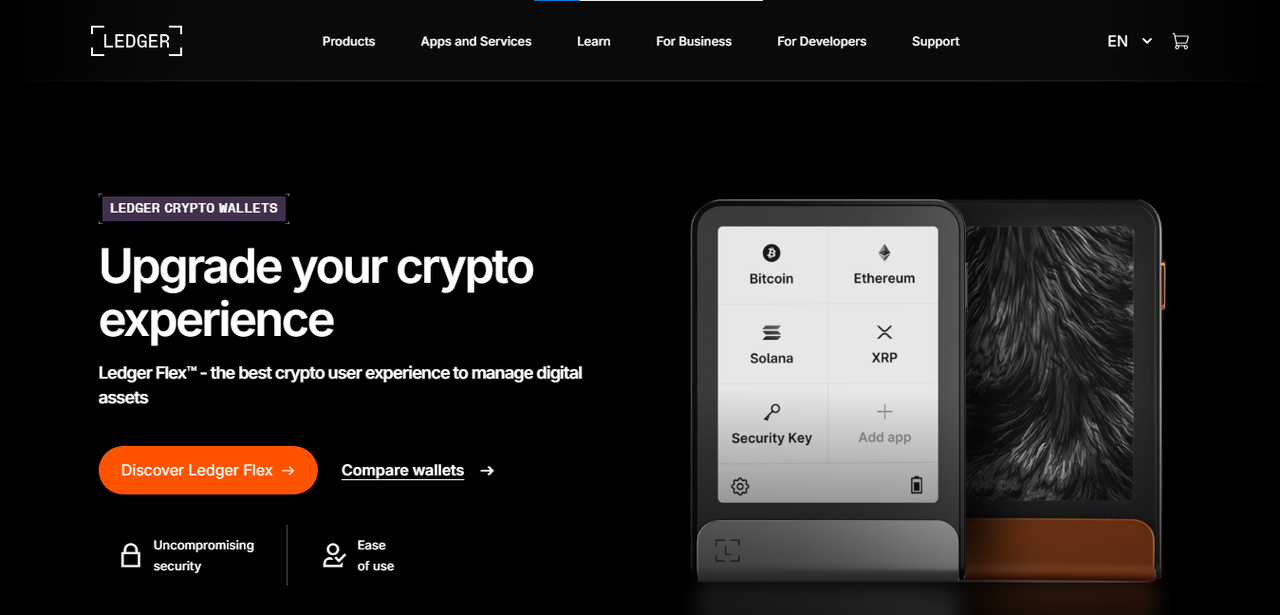
Ledger Login – Secure Access to Your Crypto Wallet
The Ledger Login process represents the foundation of how users securely connect to their Ledger hardware devices through the Ledger Live application. Whether you’re a beginner in cryptocurrency or a seasoned investor managing multiple assets, understanding the Ledger login workflow ensures that your private keys remain fully protected, giving you complete control of your digital wealth.
Understanding Ledger Login
The Ledger login process doesn’t involve a typical username or password. Instead, your authentication occurs through a physical Ledger device — such as the Ledger Nano X or Nano S Plus. This hardware-based verification ensures that your private keys never leave the device and that all operations, including sending or signing transactions, are performed securely offline.
When you open the Ledger Live app, it connects with your device via USB or Bluetooth (depending on your model). After entering your PIN on the hardware device, Ledger Live unlocks your dashboard, where you can view your assets, manage accounts, and perform secure operations.
Key Steps in the Ledger Login Process
To log in safely, follow these essential steps:
- Connect your Ledger device to your computer or smartphone.
- Open the Ledger Live app, available for Windows, macOS, Linux, Android, and iOS.
- Enter your PIN directly on your Ledger device to unlock it.
- Confirm any connection prompts on the device screen — not on your computer.
- Access your Ledger Live dashboard to manage accounts or track portfolio value.
Once logged in, all transactions are signed within the hardware wallet, ensuring that even if your computer is compromised, your crypto remains safe.
Features Available After Ledger Login
Ledger Live provides a wide range of features accessible once you successfully log in:
- Account Management: Add, remove, or rename crypto accounts.
- Portfolio Overview: Track real-time balances and performance.
- Send & Receive: Manage secure crypto transfers directly from your device.
- Buy, Sell & Swap: Integrated exchange options with third-party partners.
- Earn Rewards: Stake certain cryptocurrencies and earn passive income safely.
All sensitive operations, including signing and verification, occur on the hardware itself, ensuring the ultimate layer of security unavailable to software-only wallets.
Security Principles Behind Ledger Login
The Ledger Login process is built on three foundational security principles — hardware isolation, cryptographic verification, and user confirmation. Each login event and transaction request must be physically confirmed on the Ledger device using its built-in screen and buttons. This prevents malware or fake websites from performing unauthorized actions.
Firmware updates, app installations, and transaction confirmations all require explicit approval from the device itself. By separating private key storage from network-connected devices, Ledger ensures that your assets remain protected even if your PC or phone becomes infected.
Troubleshooting Ledger Login Issues
Sometimes, users face login issues due to outdated firmware, USB connection problems, or software mismatches. Here’s how to troubleshoot common problems:
- Ensure the Ledger Live app is up to date.
- Reconnect your device using a different cable or port.
- Restart both the computer and Ledger device.
- Verify that your Ledger’s firmware is the latest version.
- For Bluetooth devices, toggle Bluetooth on/off and reconnect via Ledger Live Mobile.
If your device isn’t detected, avoid using third-party software to fix it — only use the official Ledger tools. Never share your recovery phrase to resolve login issues.
Privacy and Data Protection
Ledger Live minimizes data collection to protect your privacy. The login process itself doesn’t transmit personal credentials. All portfolio and transaction data remain locally stored on your computer or smartphone. Optional analytics can be disabled to further enhance privacy.
Additionally, Ledger Live integrates with the “Ledger Recover” optional service for users who want an encrypted backup of their seed phrase. However, using it is a personal choice — advanced users often prefer managing their backups manually and offline.
Best Practices for a Secure Ledger Login
- Always verify you are using the official Ledger Live application.
- Never share your recovery phrase — Ledger employees will never ask for it.
- Keep your device firmware up to date.
- Use strong PINs and never disclose them.
- Enable password lock on the Ledger Live application for extra protection.
These habits help protect you from phishing websites, malicious browser extensions, and fake apps pretending to be Ledger products.
Conclusion
The Ledger Login system is not just a way to enter an account; it’s a complete security handshake between you and your hardware wallet. It ensures every transaction is verified by you, physically and cryptographically, creating an unbreakable wall between hackers and your digital assets. By understanding how Ledger Login works, following best practices, and maintaining firmware integrity, you can safely manage your crypto portfolio with confidence.